
Winter back pain in New Jersey is a common concern as temperatures drop and daily routines change. Patients of all ages across New Jersey report increased stiffness, aching, or flare-ups of chronic back pain during colder months. Back pain affects people of all ages and remains a frequent health concern, especially during winter. While some discomfort relates to muscle tightness or reduced activity, winter back pain can also signal underlying spine conditions that require medical evaluation. Chronic back pain can lead to long-term disability when it goes untreated.
Understanding why back pain in cold weather worsens helps patients recognize when symptoms remain manageable and when it is appropriate to see a spine specialist.
Understanding Winter Back Pain in New Jersey
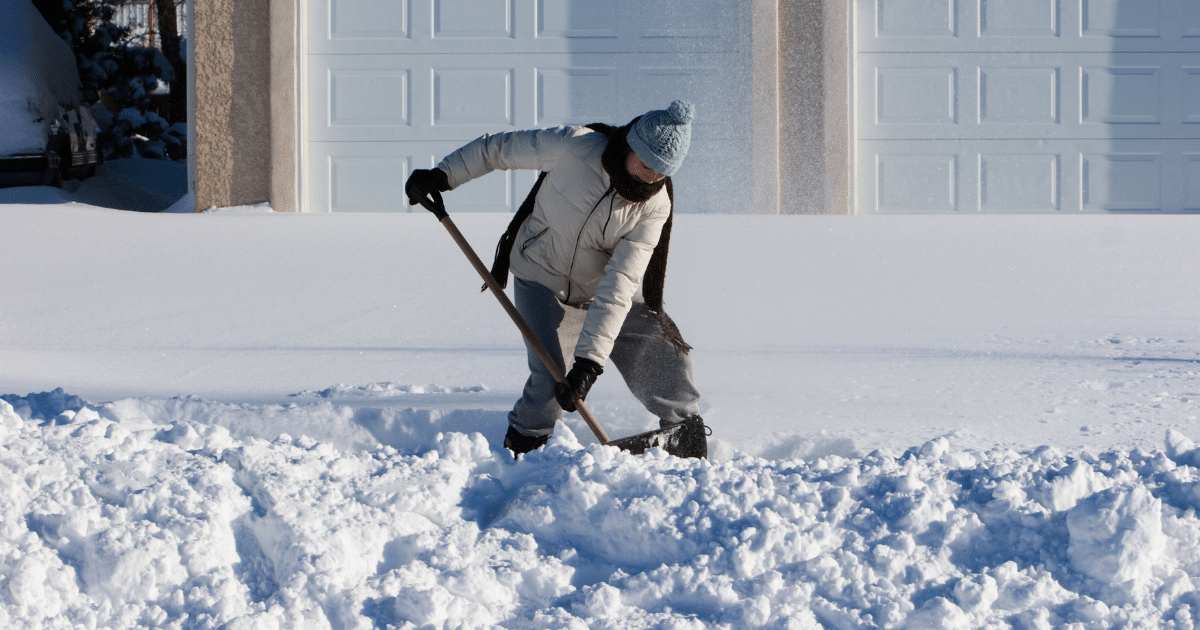
As winter weather settles across New Jersey, back pain becomes more common. Cold temperatures cause back muscles to tighten and lose flexibility, which increases the risk of strain and injury. Tight muscles contribute to pain and discomfort, and the body responds to cold by reducing flexibility, which increases the likelihood of winter back pain. Activities such as shoveling snow, walking on icy surfaces, or remaining sedentary for long periods place additional stress on the spine.
Cold exposure reduces blood flow to muscles and connective tissue, which increases stiffness and discomfort. Recognizing how winter conditions affect the body allows patients to take preventive measures and seek care when symptoms persist.
Why Winter Back Pain Is Common in New Jersey
Winter back pain causes often result from a combination of environmental and physical factors. Cold temperatures lead to muscle tightening, reduced flexibility, and increased strain on the spine. As temperatures drop, the body conserves heat by limiting circulation to peripheral tissues, which can worsen back pain.
Weather changes, including shifts in barometric pressure, may increase joint and back discomfort by contributing to inflammation. Shorter daylight hours and reduced physical activity during winter months can weaken supporting muscles, increasing the likelihood of pain. Reduced physical activity can also contribute to weight gain, which places additional strain on joints and the lower back.
New Jersey winters increase fall risk due to icy sidewalks and uneven surfaces. Even minor slips can aggravate disc or joint problems and contribute to chronic winter back pain.
Back Pain in Cold Weather and Muscle Stiffness
Cold weather joint and back pain frequently begin with muscle stiffness. Reduced blood flow in colder temperatures increases tension, particularly in the lower back. Reduced circulation affects joints and surrounding tissues, which raises the risk of injury. Tight muscles place additional strain on the spine and surrounding joints.
Winter stiffness back pain often improves with movement, stretching, and warming the affected area. Gentle activity helps maintain spinal mobility and reduce stiffness. When pain persists despite these measures, spinal structures may contribute to symptoms rather than temporary muscle tightness.
Types of Back Pain During Winter Months
Back pain during winter can present in several forms. Some patients experience acute pain related to recent strain, while others report persistent chronic discomfort that worsens in cold weather. Joint pain and muscle strains often intensify during winter activities such as snow shoveling or navigating icy conditions. Winter activities, including snow shoveling and winter sports such as skiing or snowboarding, increase the risk of back injuries due to overexertion, improper form, or slips and falls.
Reduced activity during colder months can weaken muscles that support the spine, increasing the risk of stiffness and injury. Identifying whether pain stems from acute strain, chronic joint disease, or spinal conditions helps guide appropriate management.
Chronic Back Pain During Winter Months
Chronic back pain in winter often differs from seasonal muscle soreness. Patients with disc degeneration, arthritis, spinal stenosis, or nerve compression frequently report worsening symptoms as temperatures drop. Cold weather can intensify pain for individuals with chronic back conditions, making symptoms more difficult to manage.
Lower back pain in cold weather that becomes persistent, sharp, or radiates into the legs may indicate nerve involvement. Pain that worsens with standing or walking and improves with sitting suggests structural causes rather than temporary muscle tightness. If pain increases during activity, modifying or stopping the activity helps prevent further injury.
Maintaining regular movement throughout the day supports muscle balance and helps prevent worsening pain during winter.
Spine Conditions That Contribute to Winter Back Pain
Several spine conditions contribute to winter back pain in New Jersey, including:
- Degenerative disc disease
- Herniated or bulging discs
- Spinal stenosis
- Osteoarthritis of the spine
- Nerve compression conditions
Winter activities such as shoveling snow increase the risk of muscle strains and sprains. Proper lifting techniques, bending at the knees, and using smooth motions help reduce injury risk.
Cold weather does not cause these conditions, but it often aggravates symptoms by increasing joint stiffness and muscle tension.
Indoor Factors That Contribute to Winter Back Pain
Spending more time indoors during winter can contribute to back pain. Reduced physical activity can weaken muscles and increase susceptibility to strain. Prolonged sitting, poor posture, and inadequate ergonomic support place additional stress on the spine.
Indoor heating systems may reduce humidity, which contributes to dehydration and increased muscle tension. Drinking enough water supports hydration and may reduce muscle tightness. Incorporating low-impact cardiovascular exercise, strengthening routines, and stretching into daily indoor activity helps maintain flexibility and muscle support.
Increased Risk of Back Pain During Winter Activities
Winter increases the risk of back pain, particularly for individuals who participate in winter sports or perform physically demanding tasks such as snow removal. Heavy snowfall makes shoveling more physically demanding and increases injury risk. Cold temperatures make muscles more vulnerable to strain, and icy surfaces increase the risk of slips, trips, and falls.
Warming up before activity, including simple warm-ups such as arm swings or torso twists, prepares muscles and reduces the risk of strain. Wearing supportive clothing and using lumbar support when appropriate can also help. Seasonal mood changes may contribute to muscle tension and reduced activity levels, which can worsen back pain.
Common Symptoms of Winter Back Pain
Winter back pain symptoms range from mild stiffness to severe, persistent discomfort. Common symptoms include muscle cramps, increased pain sensitivity, and stiff or tense muscles. Cold temperatures cause blood vessels to constrict, reducing circulation to tissues and intensifying pain.
Management strategies include warm baths, heating pads, gentle stretching, and regular low-impact exercise. Staying hydrated and maintaining balanced nutrition support muscle health and may reduce winter-related pain.
At-home remedies for winter back pain include heat and cold therapy, gentle stretching, staying hydrated, and maintaining good posture. Over-the-counter anti-inflammatory medications such as ibuprofen may help reduce pain and inflammation. Ginger, turmeric, and garlic may support joint health due to their anti-inflammatory properties.
Early recognition of symptoms allows patients to take preventive steps and seek care before pain becomes chronic.
When Winter Back Pain Signals the Need for a Spine Specialist
Knowing when to see a spine specialist is especially important during winter months. Persistent or worsening symptoms often require evaluation beyond self-care.
Signs You Should See a Spine Specialist
- Pain lasting longer than several weeks
- Pain radiating into the legs or buttocks
- Numbness, tingling, or weakness
- Difficulty standing or walking for extended periods
- Pain that interferes with work or daily activities
Patients searching for a spine specialist near me or a New Jersey back pain doctor often reach this point after conservative measures no longer provide relief.
How NJ Spine & Orthopedic Evaluates Winter Back Pain
NJ Spine & Orthopedic uses a comprehensive approach to evaluate winter back pain. Specialists review symptom history, physical activity levels, and prior injuries. Physical examinations assess posture, strength, range of motion, reflexes, and nerve function.
Advanced imaging such as MRI or X-ray may identify disc disease, arthritis, or spinal stenosis contributing to symptoms. Accurate diagnosis ensures treatment addresses the underlying cause.
Treatment Options for Winter Back Pain at NJSO
Treatment depends on the cause of winter back pain. Warming up before physical activity helps reduce strain. Adequate hydration supports joint lubrication and disc health.
At-home strategies include heat and cold therapy, gentle stretching, maintaining good posture, and staying active indoors. The body often responds to cold by hunching inward to conserve heat, which can affect posture and increase stiffness. Indoor exercises such as yoga and aerobics help maintain fitness and mobility. Gentle activities such as walking improve blood flow and flexibility.
Emotional well-being also plays a role. Seasonal depression and reduced sunlight exposure can influence pain perception and activity levels.
Many patients benefit from nonsurgical treatments such as physical therapy, which improves strength, flexibility, and posture. MLS Robotic Laser Therapy may support tissue repair without medication. Steroid injections can directly target inflammation as part of back pain management.
When symptoms persist despite conservative care, minimally invasive spine treatments may relieve nerve compression and reduce pain. Early evaluation expands treatment options and improves outcomes.
Winter Back Pain and Long-Term Spine Health
Ignoring winter back pain in New Jersey can allow symptoms to progress. Understanding how winter affects stiffness and pain supports long-term spine health. Cold weather often worsens symptoms and limits movement.
Maintaining warmth, practicing proper posture, and avoiding prolonged inactivity help prevent stiffness. Seasonal mood changes may affect pain perception and activity levels. Small, consistent changes in daily habits can reduce winter-related back pain.
Seeing a spine specialist ensures appropriate care before winter back pain becomes chronic or disabling.